In accordance with the unified requirements of the National Medical Examination Center, 2023 Clinical Medicine Proficiency Test for undergraduate was organized and completed by medical college, with 438 clinical medical students in 2019 participating in the test.
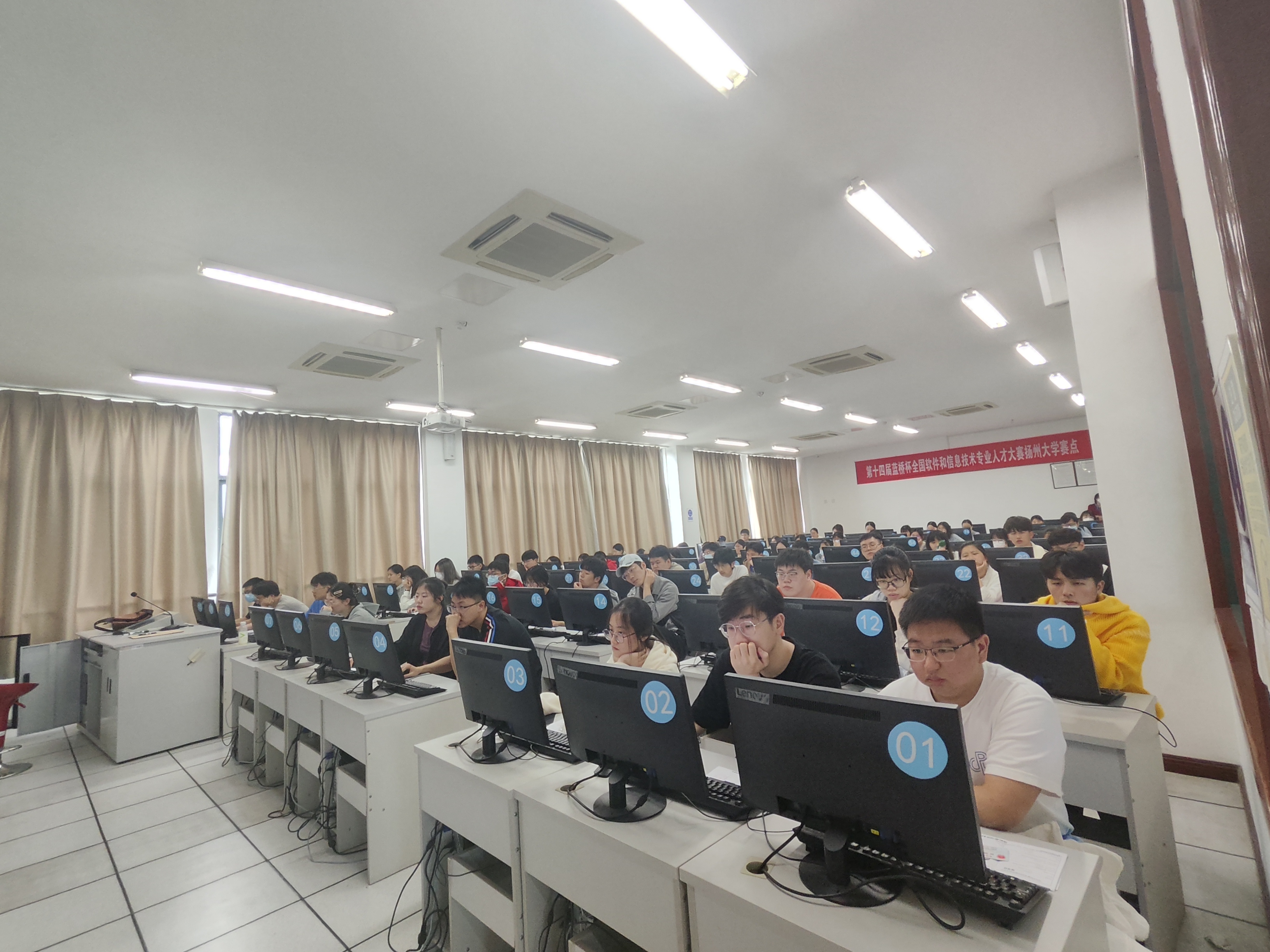
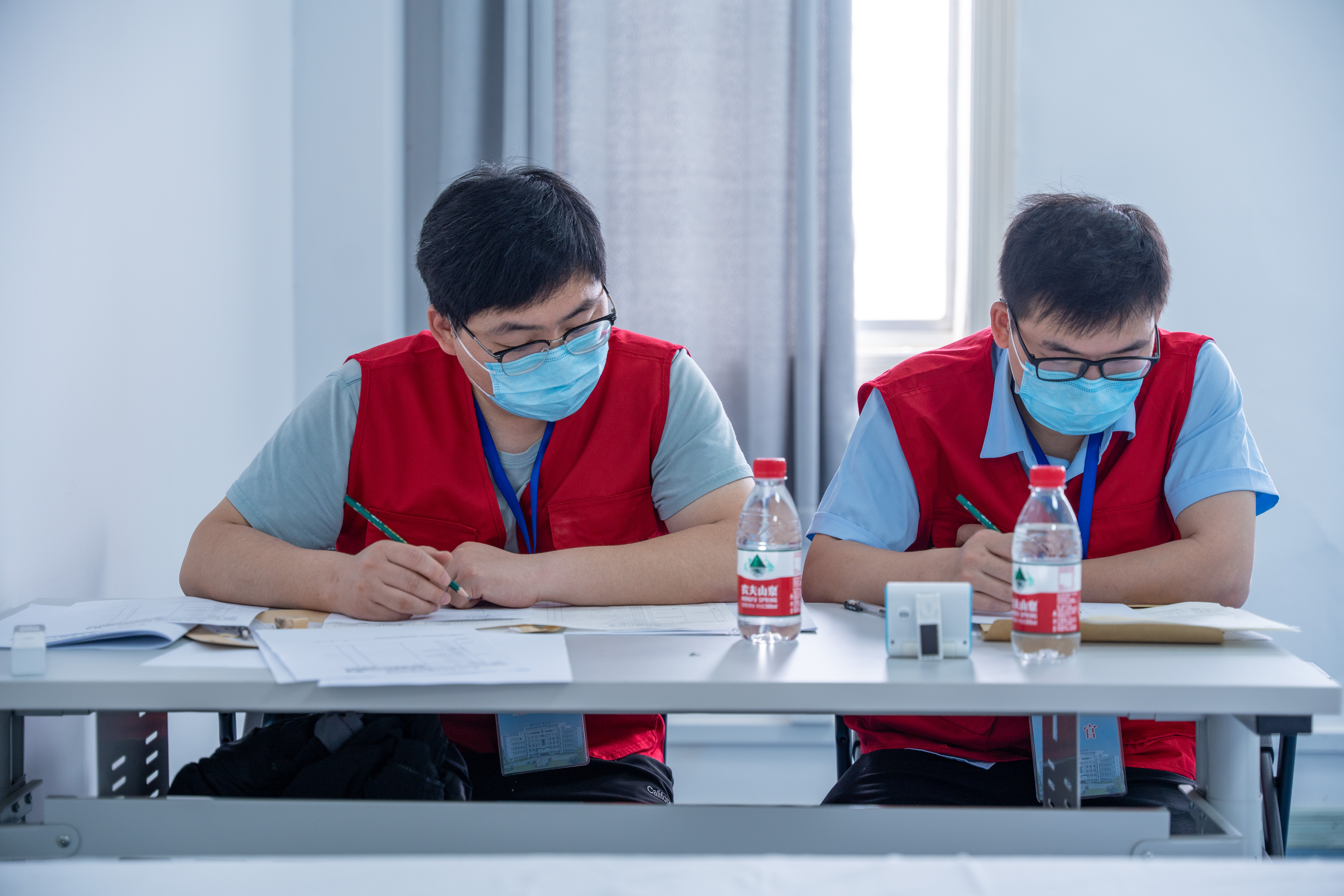
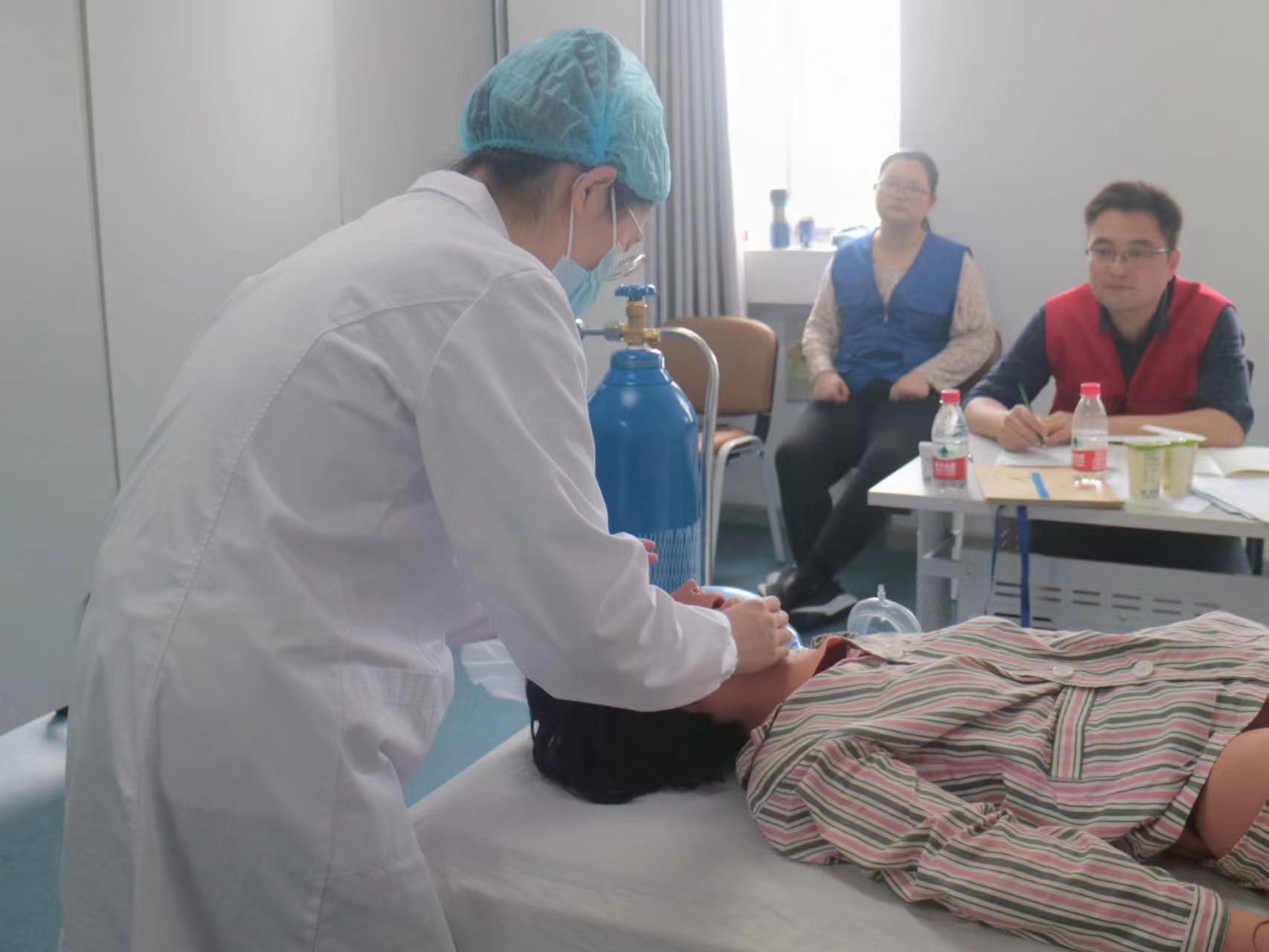
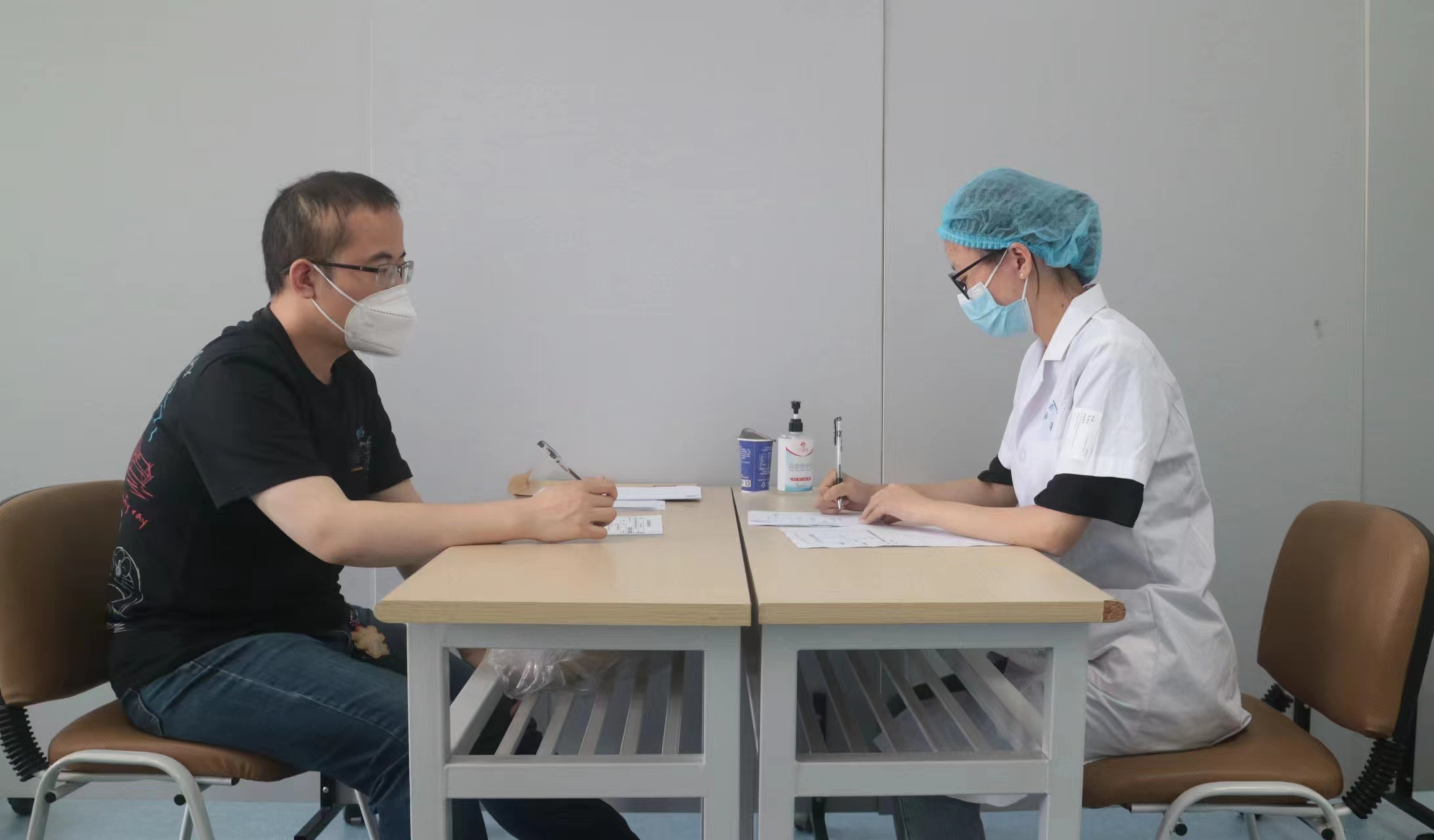
The proficiency test consists of two parts: a theoretical exam and a clinical skills exam. The theoretical exam is a computer-based exam conducted in the computer room of Yangzijin Campus, mainly examining students' basic medical theoretical knowledge. The exam covers four aspects: basic medicine, medical humanities, preventive medicine, and clinical medicine. The skills exam adopts a multi-stop exam (OSCE), and the exam base is located in the Clinical Skills Center of Jiangyang Road North Campus. There are a total of 5 parallel exam groups with 6 exam stations in each group, which are used to test medical history collection, physical examination, and basic clinical operation skills. At the same time, students' communication skills and humanistic care are evaluated.
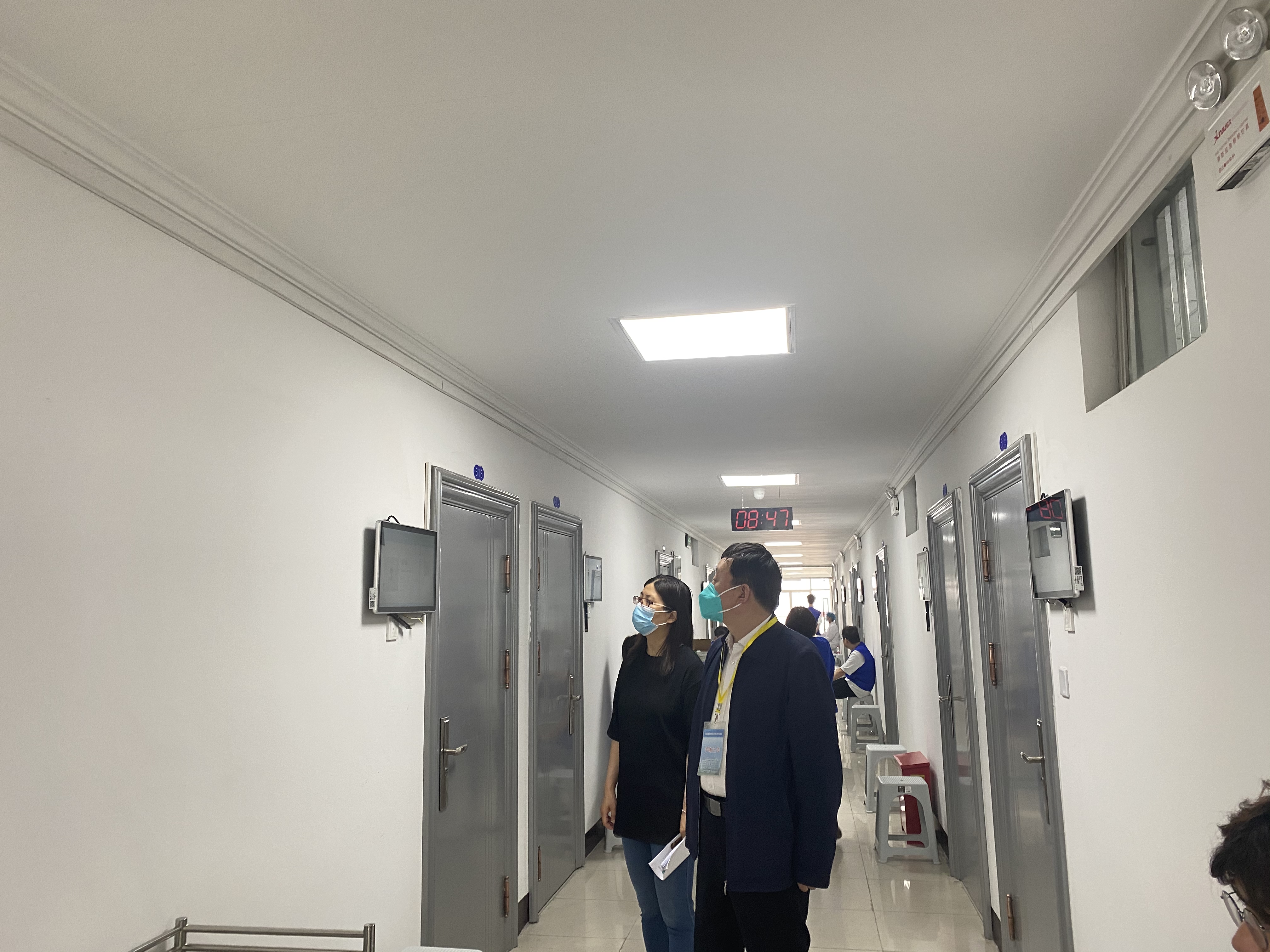
The college attaches great importance to this exam and has made detailed arrangements in terms of organizational support, division of responsibilities, funding support, venue arrangement, examiner selection, and plan development. During the examination organization process, the college leaders conducted on-site inspections on the preparation of the examination venue and the students' exam requirements.
【About the Clinical Medicine Major (Undergraduate) Level Test of Medical Schools】
The examination is jointly initiated by the National Medical Examination Center and the National Medical Education Development Center. The purpose of this examination is to scientifically evaluate and give feedback on whether ordinary full-time clinical medical undergraduate students who have completed all theoretical studies in medical schools and are about to enter clinical internship have the medical humanistic literacy, basic medical knowledge and basic clinical skills that must be possessed in this study stage, so as to promote the continuous improvement of the quality of medical education.
The exam mode consists of two parts: the medical basic knowledge exam (theoretical exam) and the clinical basic skills exam (skill exam).
1. Theoretical Examination
The total number of questions in the theoretical exam is 330 (30 of which are used for exam research and are not included in the total score of the candidate's proficiency test). Basic medicine accounts for 40-45%, medical humanities accounts for 5-10%, preventive medicine accounts for 5-10%, and clinical medicine accounts for 40-45%.
Question type ratio:
Exam content |
A1 |
A2 |
B1 |
Total |
Basic medicine |
45-50% |
45-50% |
45-50% |
45-50% |
Medical Humanities |
45-50% |
45-50% |
45-50% |
45-50% |
Preventive medicine |
35-40% |
35-40% |
35-40% |
35-40% |
Clinical medicine |
20-25% |
20-25% |
20-25% |
20-25% |
Total |
30-35% |
30-35% |
30-35% |
30-35% |
Exam length: 3.5 hours.
2. Skills test
It mainly examines medical history, physical examination and basic operational skills, and evaluates communication skills and humanistic care.
Exam Design:
Test station |
Exam content |
Exam method |
Exam time |
Score |
First station |
History collection |
SP |
10 minutes |
20 points |
Second station |
History collection |
SP |
10 minutes |
20 points |
Third station |
Physical examination |
operation |
10 minutes |
20 points |
Four station |
Physical examination |
operation |
10 minutes |
20 points |
Fifth station |
Basic operations |
operation |
10 minutes |
20 points |
Sixth station |
Basic operations |
operation |
10 minutes |
20 points |
Total |
60 minutes |
100 points |
Note: The assessment of communication skills, humanistic care, and other medical humanistic qualities is integrated into each station, with a total score of approximately 15%.
Exam format: Interview. Medical history collection requires the cooperation of standardized patients, and physical examination requires the cooperation of standard examiners. The basic operations are carried out on medical teaching simulators or medical molds.
 苏公网安备 32100302010246号