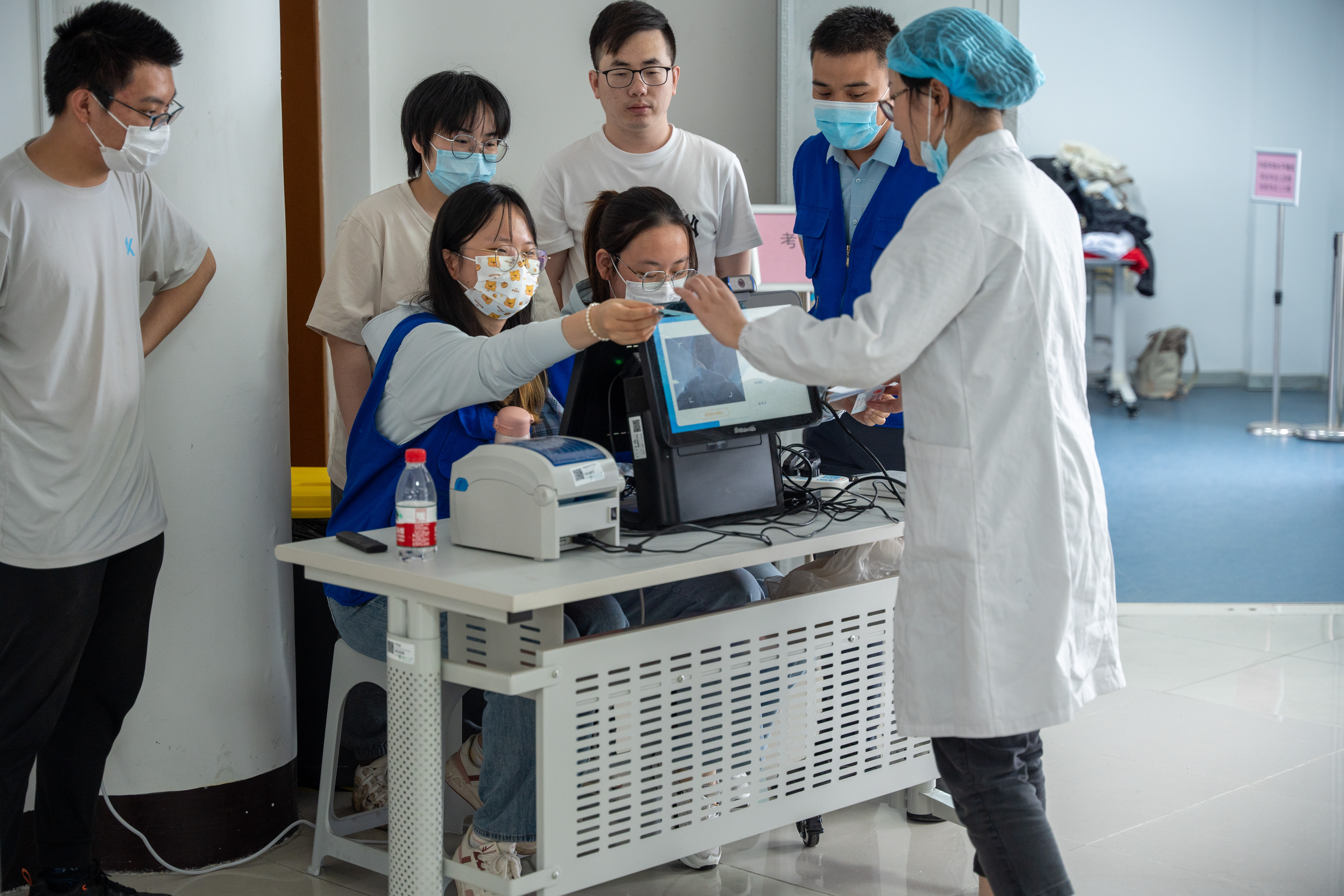
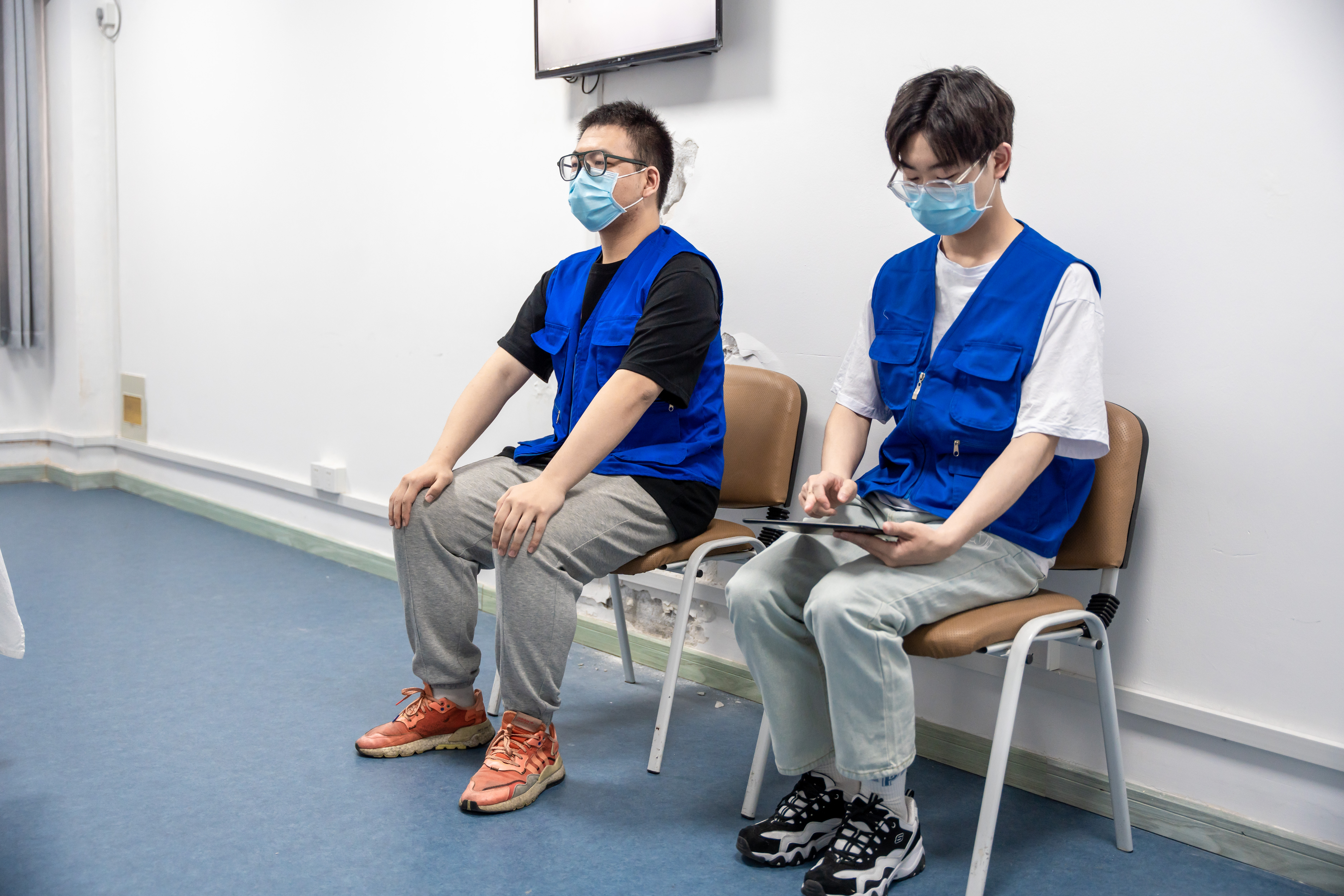
On May 12th, our hospital organized a second tier assessment of the competency of traditional Chinese medicine practitioners. The examination was initiated by the Chinese Medicine Qualification Certification Center of the National Administration of Traditional Chinese Medicine. A total of 43 candidates from the 2018 and 2019 levels of traditional Chinese and western medicine clinical medicine in our hospital participated in the examination.
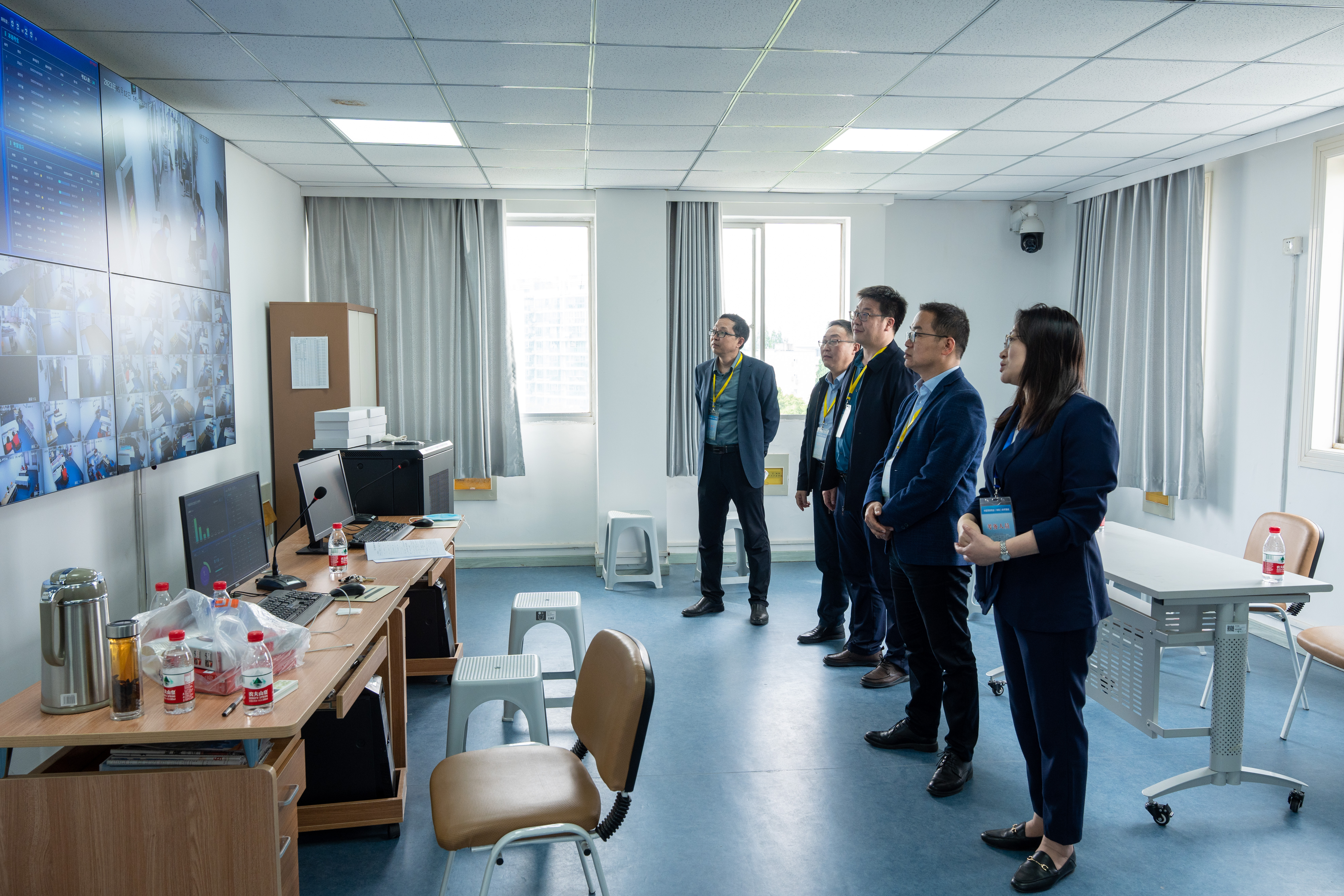
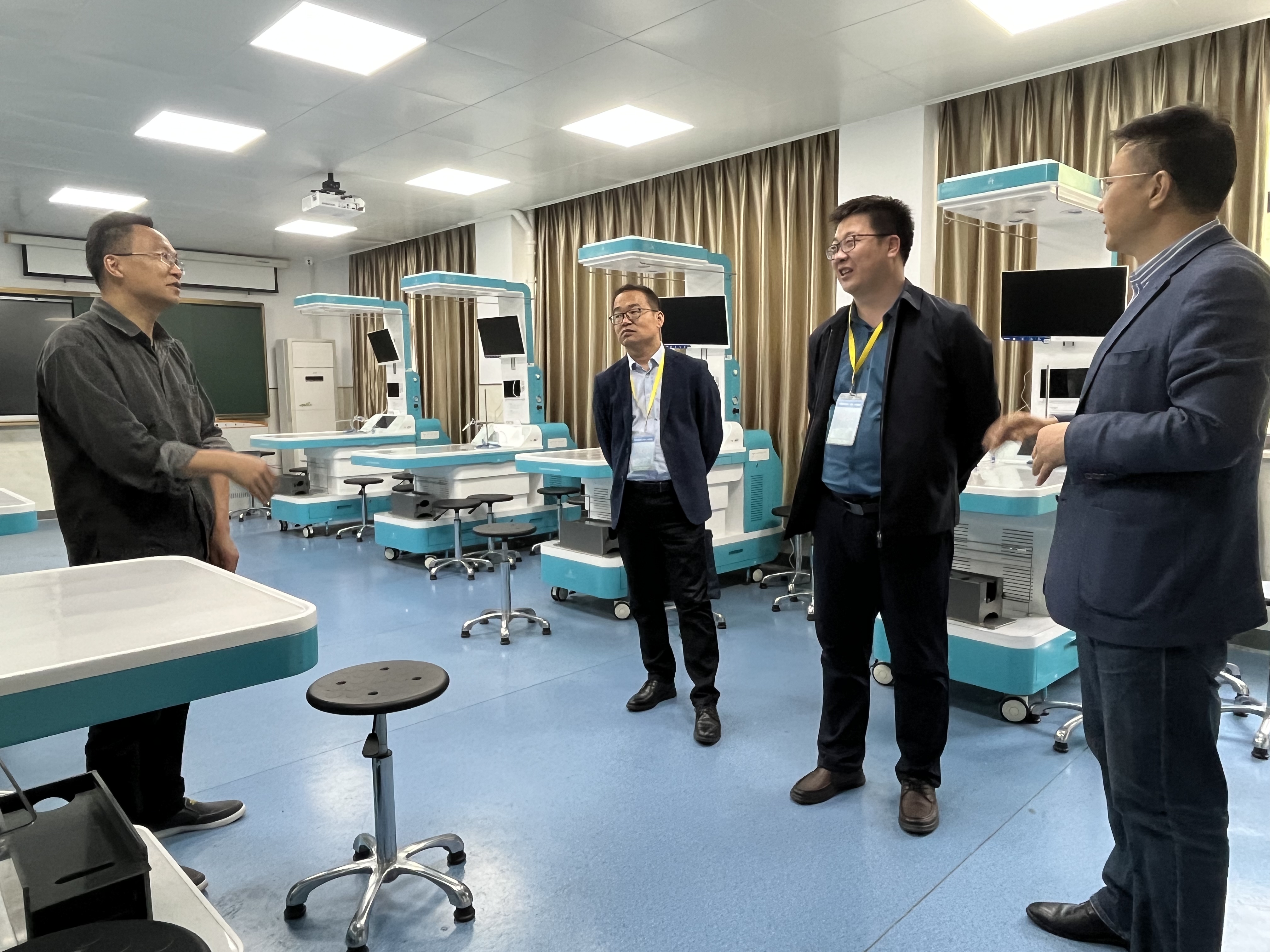
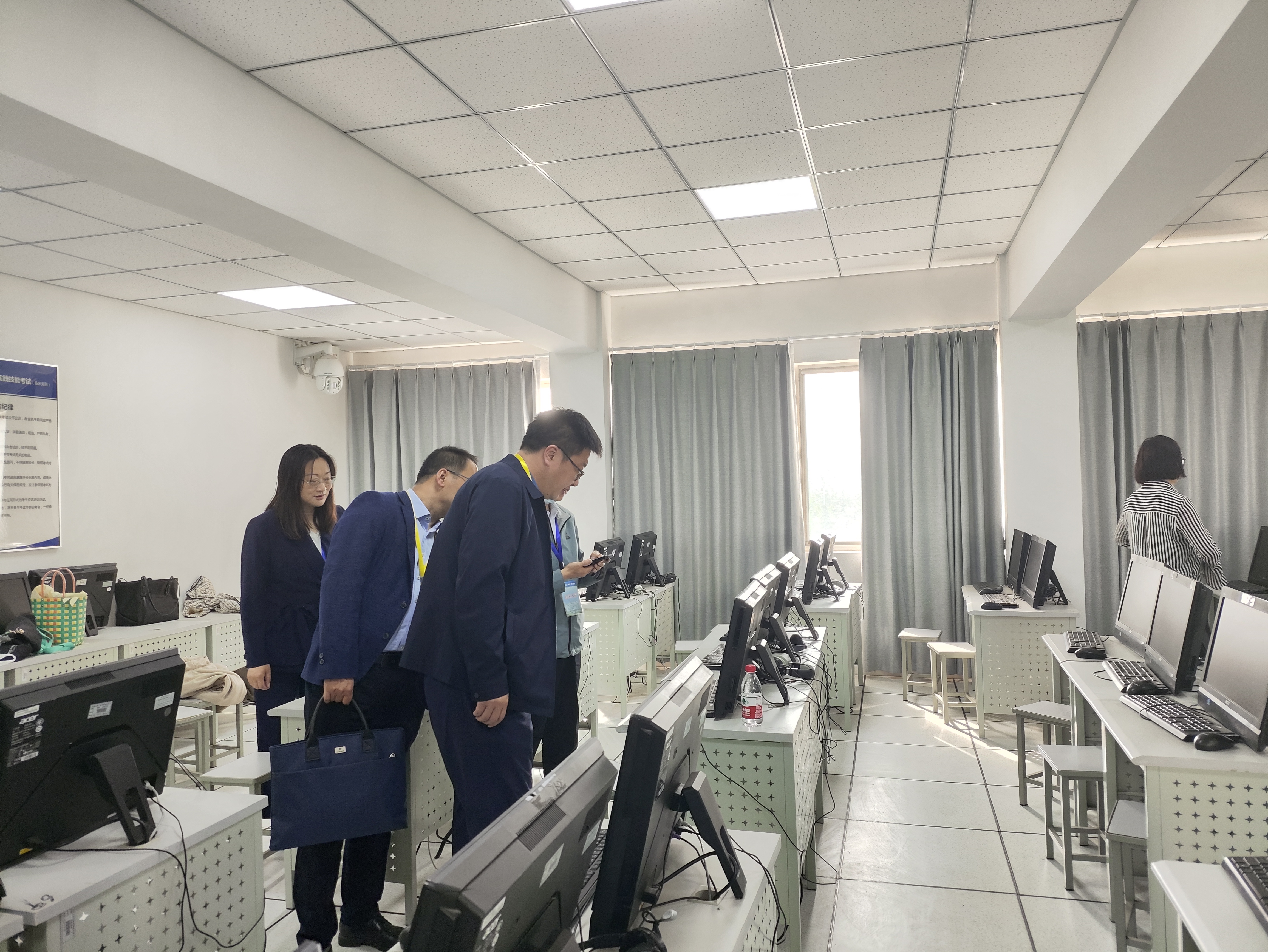
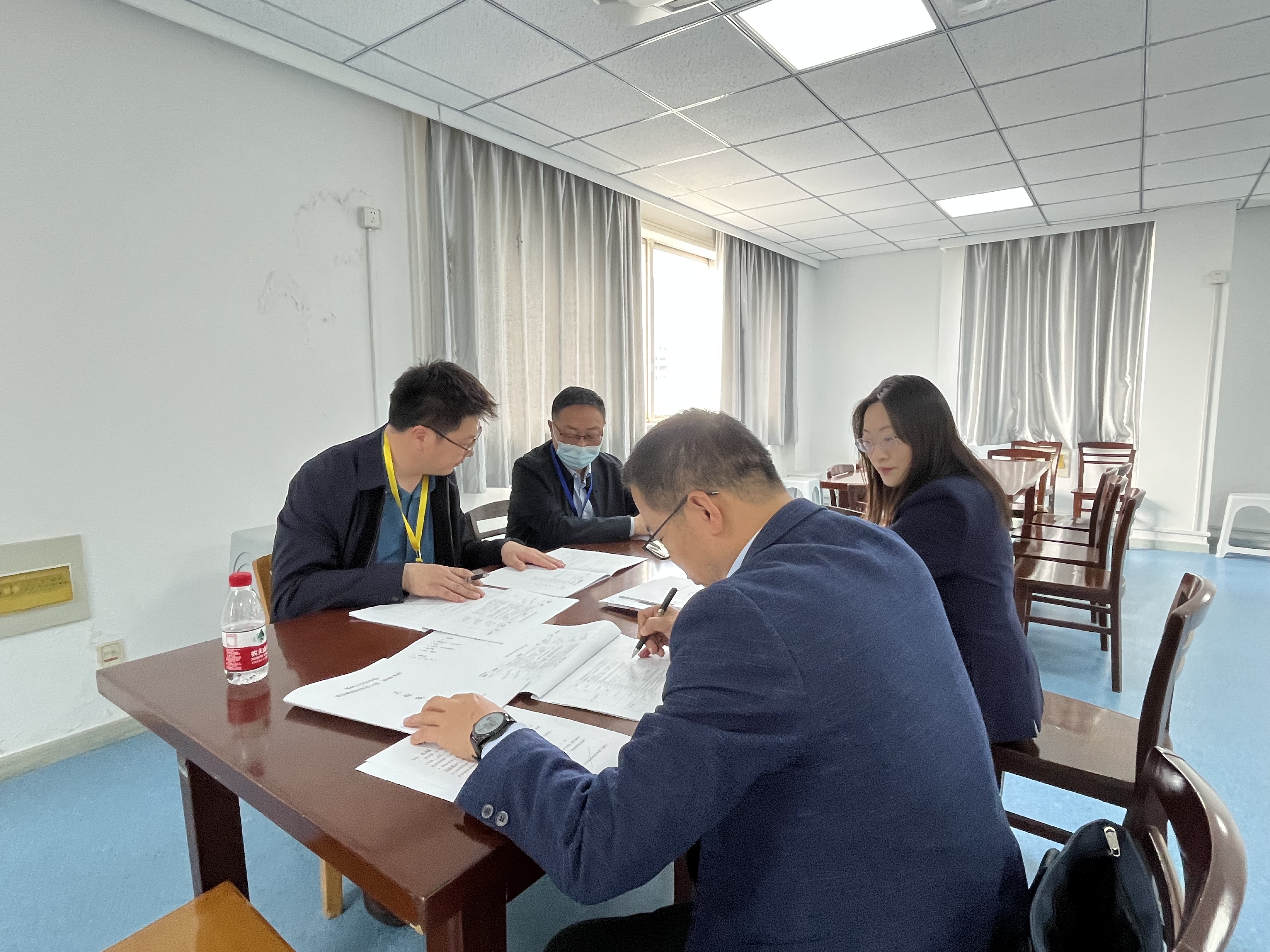
To ensure the smooth progress of the exam, two inspection experts from Inner Mongolia Medical University were commissioned by the certification center to conduct inspection tours at our hospital on security and confidentiality, exam style and discipline, exam venue management, and organizational implementation. In addition, certified experts also visited our teaching and research experimental facilities.
The smooth organization of this assessment is a test of our hospital's examination management and organizational capabilities, as well as a test of the quality of talent cultivation in clinical medicine of traditional Chinese and Western medicine.
On the Ladder Assessment of Competency for Traditional Chinese Medicine Practitioners
The tiered assessment of TCM practitioner's competence is a evaluation system constructed by the National TCM Practitioner Qualification Certification Center of State Administration of Traditional Chinese Medicine based on prior research results concerning TCM practitioner's competence, and is developed upon expert consultation.
The tiered assessment and evaluation system covers the entire cycle of the transformation from medical students to physician (assistant physician) training, including four levels of traditional Chinese medicine specialty students, undergraduate students, graduate students, and regular trainees. Assessments are conducted during the growth stages of the second year of the specialty, fourth year of the undergraduate program, first year of the specialty and master's program, and third year of the specialty and master's program. This will promote the effective connection between college education, post graduation education, and continuing education, and further assist the growth and success of traditional Chinese medicine practitioners. The assessment that our college participated in this time is the second tier (i.e. fourth year undergraduate) assessment.
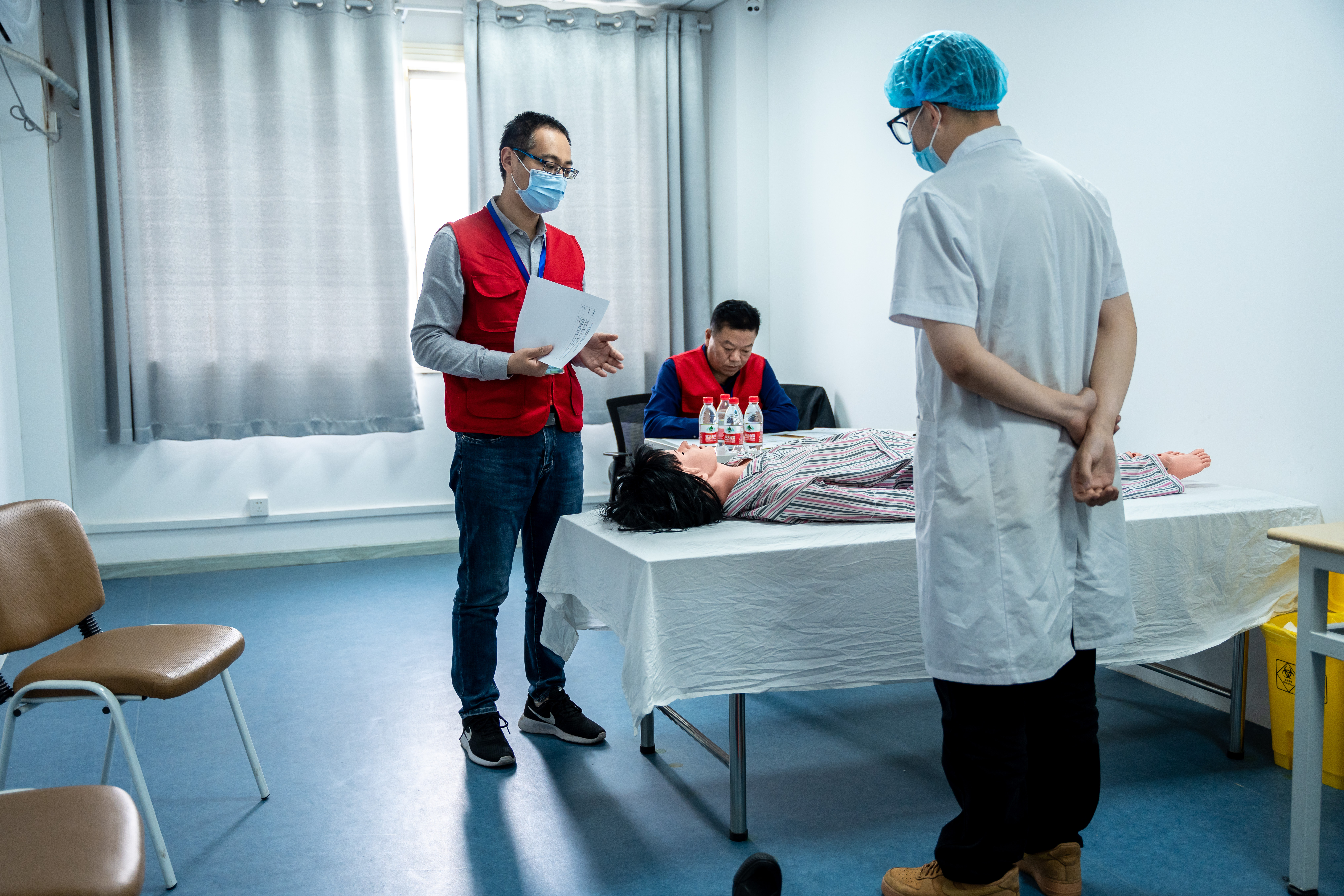
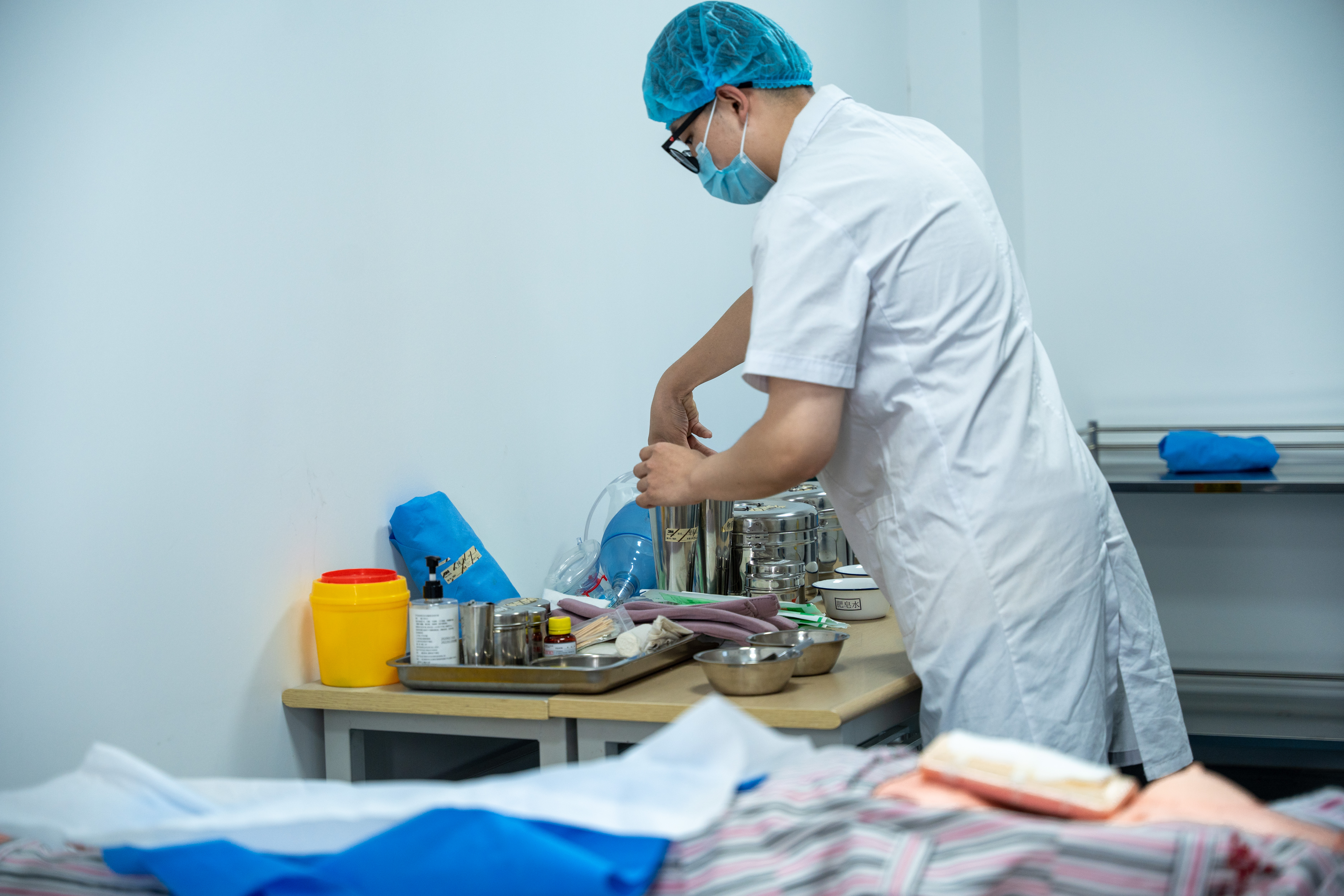
The exam is divided into two parts: a theoretical exam and a skills exam. The total number of questions in the theoretical exam is 300. Among them, traditional Chinese medicine accounts for 70-80%, Western medicine accounts for 15-25%, and medical humanities accounts for 3-5%. The proportion of question types: A1: A2: B1: The proportion of question types is 6:3:1. Add comprehensive medical record (T-type question) test questions to conduct research. The skill examination is divided into four stations, which are respectively used to assess the collection of medical history, physical examination, basic operation of traditional Chinese medicine and basic operation of western medicine.

 苏公网安备 32100302010246号